68. Text Justificator
Text Justification
对Queue有初步体验的好题目
给定一堆字 要求尽可能把本来相邻的字放在同一句
但是每句的长度非得刚好凑到maxWidth
然后每句中的 字之间必须有空格
具体空格要放多少 取决于场景
先进先出
首先安排个队列 装那些 正在集结一起成句 的字
由于相邻两字之间起码有个空格 因此队列中这些字
会形成的句子长度 起码是
可能性1:长度超标
一旦目前迭代到的字 造成了
maxWidth
那么这就是队列已经要全数成句子的时机
它们成句子后 自然清空队列 让进队列 打响下一句的第一炮
可能性2:空间还够
否则的话 就是单纯进队列 句子尚未非得成形 还能再等
确定要成形的句子
前面有说 句子成形时 相邻俩字中间空格怎么填 要看场景
题目的规定是两种不同风格的填空机制
1. Left Justification
如果成形的句子是最后一句 那么就要左对齐
也就是说 相邻俩字中间刚好塞一个空格
要是填完发现长度还没摸到maxWidth
直接在句子末尾补空格灌水啰
由此可见 不是最后一句的句子 倘若仅带著一个字
那这时该句的空格操作 事实上自动变为左对齐
2. Right Justification
不是最后一句且夹带起码两字 的句子采取右对齐
先看有这么多个字与字之间缝隙
总共得填充maxWidth 这么多空格
于是每个缝隙先各自填
这么多空格
当然通常馀数是大于零的
换言之还要安排最后这个空格 才能凑齐句长maxWidth
这也非常简单 抓最左边的个缝隙
叫它们来各自额外多收个空格即可
左右对齐都掌握好了 此题自然到手
- C++
- Python
#include <deque>
#include <string>
#include <vector>
using namespace std;

class TextJustificator {
private:
    deque<string> queue;

    string formSentence(int charsCount, int maxWidth, bool leftJustify) {
        string intervalSpaces = "";
        int intervalsCount = queue.size() - 1, modulo = 0;

        if (intervalsCount > 0 && !leftJustify) {
            int quotient = (maxWidth - charsCount) / intervalsCount;
            for (int num = 0; num < quotient; num++)
                intervalSpaces += " ";

            modulo = (maxWidth - charsCount) % intervalsCount;
        }

        string sentence = "";

        for (int idx = 0; idx < queue.size(); idx++) {
            sentence += queue[idx];

            if (idx < queue.size() - 1) // Not the last word.
            {
                if (leftJustify) {
                    sentence += " "; // Left-justification.
                    continue;
                }

                sentence += intervalSpaces; // Right-justification.
                if (modulo > idx)
                    sentence += " "; // Need to pad extra space at left intervals.
            }
        }
        queue.clear(); // Reset for future usage.

        // Right end padding only runs for left-justification.
        while (sentence.size() < maxWidth)
            sentence += " ";
        return sentence;
    }

public:
    vector<string> justifyText(vector<string>& words, int maxWidth) {
        vector<string> justifiedSentences;
        int charsCount = 0; // Characters only. Not counting interval spaces.

        for (const auto& word : words) {
            // Current sentence is finalized.
            if (charsCount + queue.size() - 1 + word.size() + 1 > maxWidth) {
                string sentence = formSentence(charsCount, maxWidth, false);
                justifiedSentences.push_back(sentence);
                charsCount -= charsCount; // Reset for the next sentence.
            }

            queue.push_back(word);
            charsCount += word.size();
        }

        // Deal with last sentence. Last sentence must be left-justified.
        string sentence = formSentence(charsCount, maxWidth, true);
        justifiedSentences.push_back(sentence);
        return justifiedSentences;
    }
};
class TextJustificator:
    def __init__(self) -> None:
        self.queue: list[str] = []

    def _form_sentence(
        self, chars_count: int, max_width: int, left_justify: bool
    ) -> str:
        interval_spaces = ""
        intervals_count = len(self.queue) - 1
        modulo = 0

        if intervals_count > 0 and not left_justify:
            quotient = (max_width - chars_count) // intervals_count
            interval_spaces += " " * quotient

            modulo = (max_width - chars_count) % intervals_count

        sentence = ""

        for idx, word in enumerate(self.queue):
            sentence += word

            if idx < len(self.queue) - 1:  # Not the last word.
                if left_justify:
                    sentence += " "  # Left-justification.
                    continue

                sentence += interval_spaces  # Right-justification.
                if modulo > idx:
                    sentence += " "  # Need to pad extra space at left intervals.

        self.queue.clear()  # Reset for future usage.

        # Right end padding only runs for left-justification.
        return sentence + " " * (max_width - len(sentence))

    def justify_text(self, words: list[str], max_width: int) -> list[str]:
        self.queue = []

        justified_sentences: list[str] = []
        chars_count = 0  # Characters only. Not counting interval spaces.

        for word in words:
            # Current sentence is finalized.
            if chars_count + len(self.queue) - 1 + len(word) + 1 > max_width:
                sentence = self._form_sentence(chars_count, max_width, False)
                justified_sentences.append(sentence)
                chars_count -= chars_count  # Reset for the next sentence.

            self.queue.append(word)
            chars_count += len(word)

        # Deal with last sentence. Last sentence must be left-justified.
        sentence = self._form_sentence(chars_count, max_width, True)
        justified_sentences.append(sentence)
        return justified_sentences
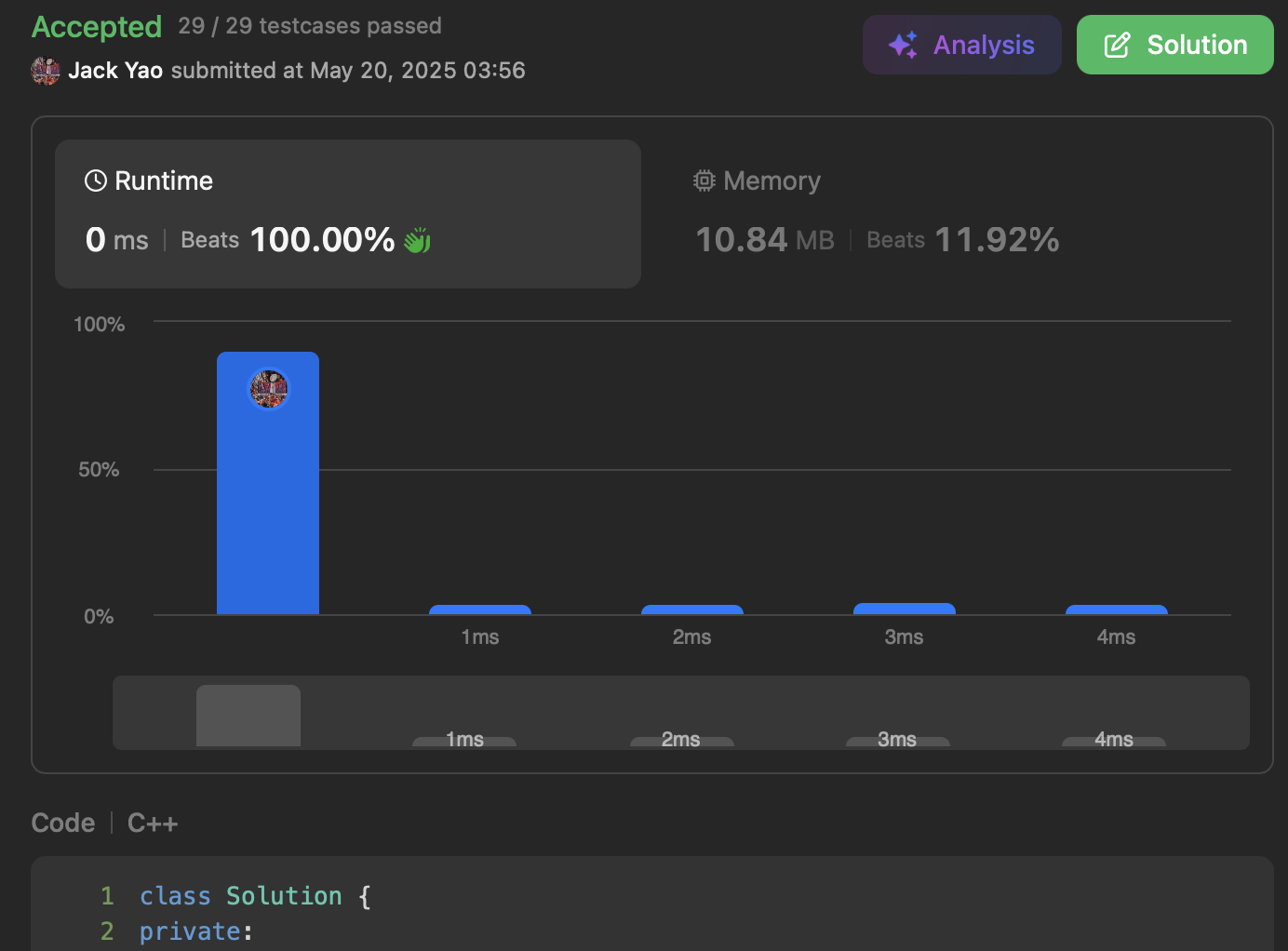 时间和空间复杂度都是